
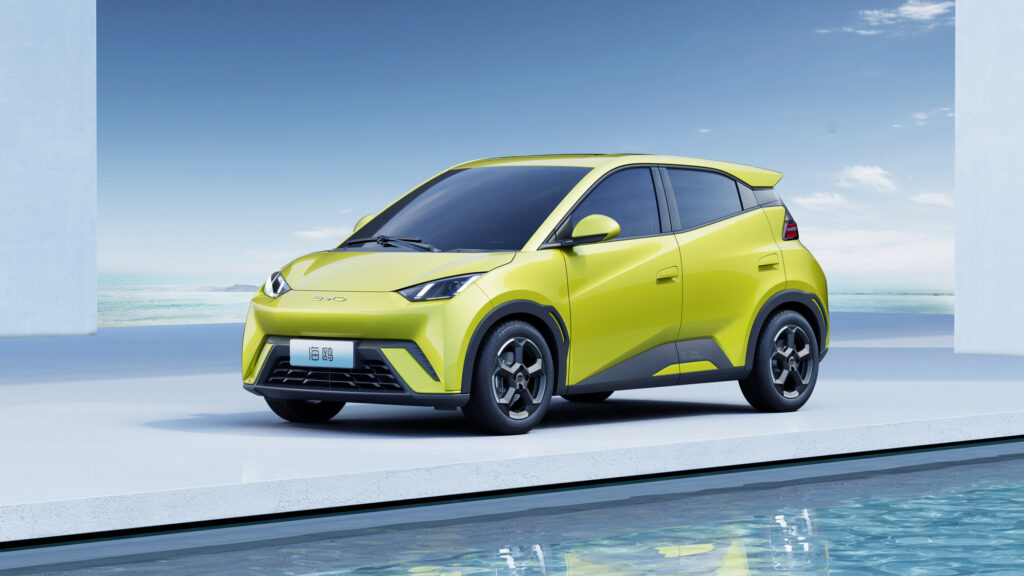
BYD, the world’s largest electric vehicle maker, unveiled a series of technology advances, including what it calls China’s first automotive-grade 4-nanometer chip for self-driving vehicle.
The semiconductor breakthrough approaches the lead of Chinese tech giant Huawei Technologies, which currently makes chips with geometry of 7 nm but has pledged to debut 1.4 nm chips by 2031. It’s designed to allow BYD’s computer-assisted driving to stand out from a crowded Chinese EV market that includes rivals such as Xpeng and Xiaomi.
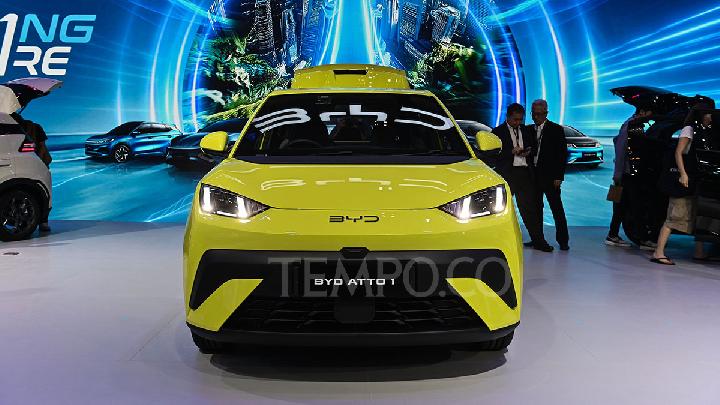
Facing eight months in a row of falling sales and intense competition for more advanced charging and intelligent driving technologies, BYD is looking to spark more demand for its vehicles.
BYD CEO Wang Chuanfu announced the Xuanji A3 chip at an event Thursday at its Shenzhen headquarters, saying it has the best energy efficiency in the industry and uses 20% less power than similar semiconductors.
The most advanced chip globally is the 2 nm N2 node made by Taiwan Semiconductor Manufacturing Co. The nanometer measure is used to indicate the size of transistors on a chip. The smaller a transistor becomes, the more can be fitted on a chip, which in turn will become more powerful.
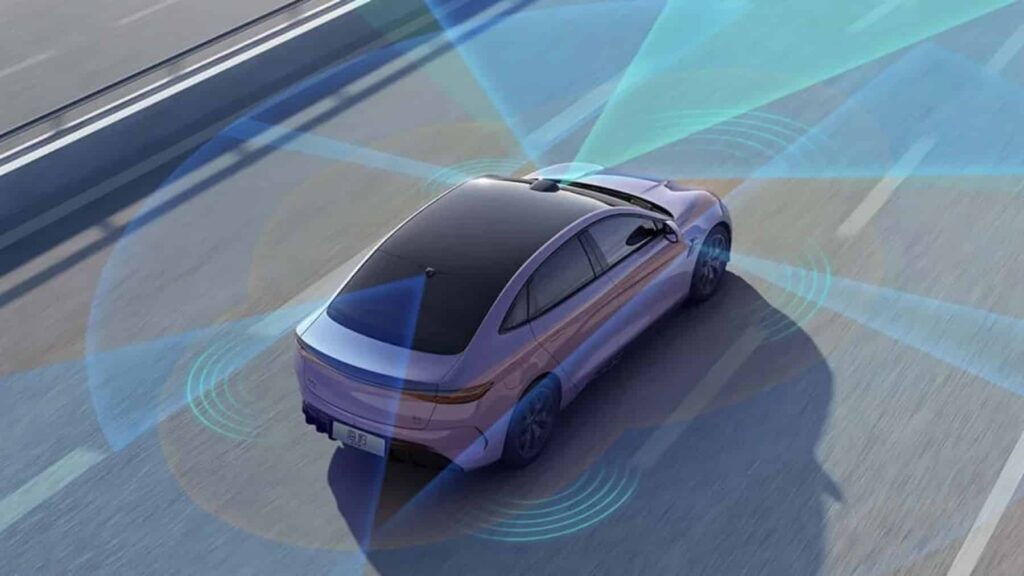
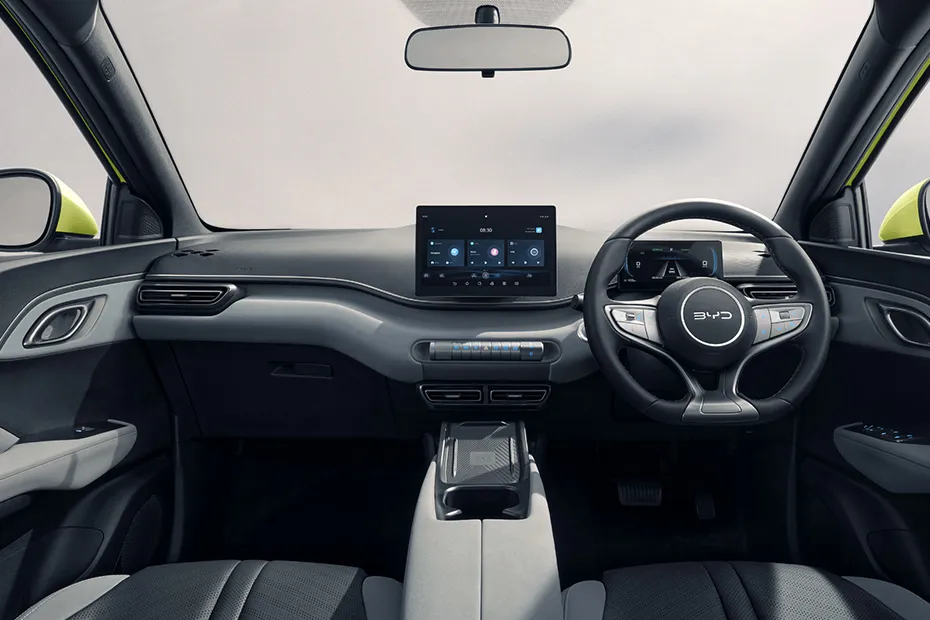
The Xuanji A3 is the centerpiece of BYD’s new laptop-size central computing platform. The company said the unified software suite speeds up three previously separate domains within an EV: its smart cockpit of dashboard controls, an advanced driver-assistance feature and the core electric propulsion.
BYD is waiting for China to formalize legislation allowing more consumer-facing deployment of self-driving vehicles, which the company expects to happen as soon as 2027. The carmaker is prepared to roll out products at that level of autonomy when the time comes, according to Yang Dongsheng, a senior vice president.
Some industry analysts caution that deployment scale does not automatically equate to system maturity, noting that BYD’s automation performance has historically trailed pioneers like Tesla. However, the Chinese automaker expressed confidence in the software’s trajectory.
Tesla is pursuing a competing technological path, relying on a vision-only approach that uses standard cameras and neural networks instead of radar or LiDAR. The U.S. carmaker is currently working to clear regulatory hurdles to launch its advanced Full Self-Driving system in China, which still requires active human intervention and will be marketed under a different name due to tight scrutiny by Chinese transportation authorities.